
Harad
Harad, también conocido como el Sur, hace referencia a las tierras poco conocidas del sur de la Tierra Media. Esta gran región se encuentra al sur de Harondor y Mordor. Se sabe muy poco de las tierras del sur más allá del gran Mar de Ringil.
Historia
Antes de la Primera Edad
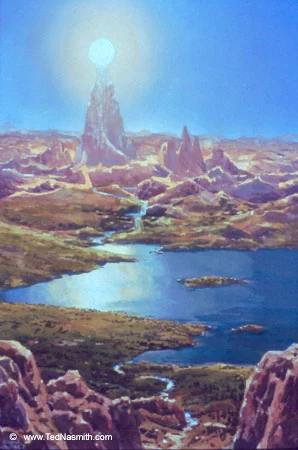
En los tiempos primordiales de Arda, la tierra meridional de la Tierra Media estaba iluminada por una de las dos poderosas lámparas, llamada Ormal, situada en lo alto de un imponente pilar. Ormal fue creada por Aulë, llenada por Varda y consagrada por Manwë en el sur del mundo, cuando los Valar aún moraban en Almaren. Ambas lámparas acabaron siendo destruidas por un ataque de Melkor, y la destrucción de Ormal dio origen al mar meridional de Ringil.
Durante el periodo en el que Melkor engendró monstruos de diversas formas y clases que asolaban Endor, su reino se extendía desde Utumno hasta las tierras del sur de la Tierra Media.
Primera Edad
Algunos de los primeros Hombres que partieron de Rhûn, tras el despertar en Hildórien, acabaron estableciéndose en Harad y se convirtieron en los antepasados de los Haradrim. Los historiadores de Gondor creían que los Drúedain procedían de tierras al sur de Mordor, que se desviaron hacia el norte, hacia Ithilien, antes de llegar a las costas de Harad, y que fueron los primeros Hombres en cruzar el Anduin.
La costa al sur de Harad se extendía mucho más hacia el oeste antes de la ruina de Beleriand.
Segunda Edad
Cuando los Hombres de Númenor comenzaron a navegar hacia el este, exploraron las costas de la Tierra Media, incluidas las tierras costeras de Harad. En un principio, los númenóreanos beneficiaron a los pueblos de las tierras que exploraban, enseñándoles muchas cosas sobre agricultura y artesanía. Más tarde, los númenóreanos establecieron asentamientos en las costas del sur, entre ellos los Puertos de Umbar.
En el siglo IX de la Segunda Edad, el gran marinero Aldarion navegó hasta el puerto de Vinyalondë y, a continuación, navegó a lo largo de las costas hacia el sur, mucho más allá de cualquier lugar al que hubieran llegado hasta entonces los Númenóreanos. En su regreso hacia el norte, escapó por los pelos de naufragar en Harad.
Tras el reinado de Tar-Ciryatan, los Númenóreanos comenzaron a erigirse en Señores de la Tierra Media, exigiendo tributos en forma de bienes y riquezas, lo que provocó la opresión de los Haradrim. Los Númenóreanos ampliaron su control sobre Harad y, al principio, Sauron no se atrevió a desafiarlos. Pero tras la forja de los Anillos de Poder y la aparición de los Nazgûl, Sauron comenzó a atacar los asentamientos númenóreanos de la costa.
Tras la forja de los Anillos de Poder, casi todos los hombres al este y al sur de los Ered Luin quedaron bajo el dominio de Sauron. Sauron era a la vez su rey y su dios. Estos hombres se hicieron fuertes y construyeron muchas ciudades y murallas de piedra; eran feroces en la guerra y estaban armados con hierro.
Umbar fue fortificada en el año 2280 de la Segunda Edad.
Ar-Pharazôn, rey de Númenor, desembarcó en Umbar en el año 3261 de la Segunda Edad con una gran flota, y los habitantes de las costas huyeron ante su llegada. Ar-Pharazôn y su ejército marcharon a través de Harad para enfrentarse a las fuerzas de Sauron, pero estas huyeron ante los Númenóreanos y Sauron se dejó llevar a Númenor, donde corrompió al rey y a sus Seguidores. Bajo la influencia de Sauron, los Númenóreanos se volvieron aún más despiadados con los habitantes de Harad, esclavizándolos y utilizándolos para sacrificios.
Durante la estancia de Sauron en Númenor, muchos de los Númenóreanos que zarparon hacia el este desde Númenor y construyeron fortalezas y viviendas en las costas de las tierras del sur de la Tierra Media ya se habían sometido a su voluntad.
Los númenóreanos que vivían en Harad sobrevivieron al hundimiento de Númenor en el año 3319 de la Segunda Edad. Más tarde se les llamó «númenóreanos negros» en Gondor, porque seguían sirviendo a Sauron en la Tierra Media tras el hundimiento de Númenor. Lucharon junto a Sauron durante la Guerra de la Última Alianza de los Elfos y los Hombres. Dos de esos señores númenóreanos, Herumor y Fuinur, alcanzaron el poder entre los Haradrim.
La Tercera Edad y la historia posterior
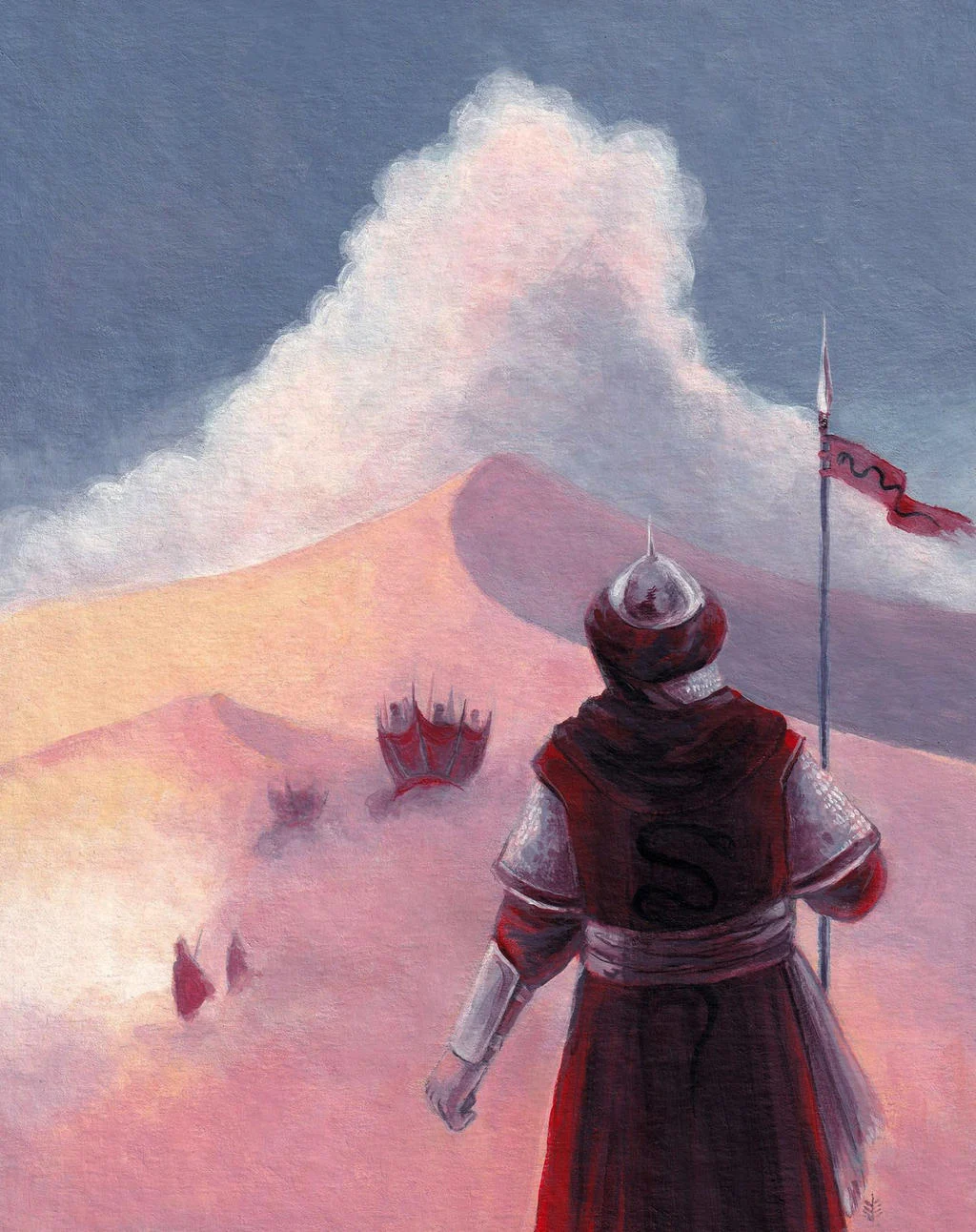
Los asentamientos de los númenóreanos más allá de Umbar habían sido absorbidos o se habían vuelto hostiles hacia Gondor y partes de los dominios de Sauron, ya que estaban formados por hombres que ya habían sido corrompidos por Sauron en Númenor.
El rey Eärnil I de Gondor sitió Umbar por mar y por tierra y, en el año 933 de la Tercera Edad, conquistó Umbar, que se convirtió en una gran fortaleza de Gondor. Tres años más tarde, en el año 936 de la Tercera Edad, Eärnil I pereció junto con muchos barcos y hombres en una tormenta cerca de Umbar.
Los Hombres de Harad, liderados por los señores que habían sido expulsados de Umbar, se lanzaron con gran poderío contra Umbar y la sitiaron. El rey Ciryandil cayó en el sitio de Umbar en el año 1015 de la Tercera Edad.
Umbar estuvo sitiada durante muchos años, pero no pudo ser tomada debido al poderío naval de Gondor. El rey Ciryaher de Gondor llegó desde el norte por mar y por tierra y cruzó el río Harnen. Sus ejércitos derrotaron a los Hombres de Harad y los reyes de Harad se vieron obligados a reconocer la soberanía de Gondor en el año 1050 de la Tercera Edad.
Tras la Lucha entre Parientes, los hijos de Castamir, junto con otros miembros de su linaje y numerosas personas de las flotas, zarparon de Pelargir y se apoderaron de Umbar en el año 1448 de la Tercera Edad. En Umbar establecieron un refugio para todos los enemigos del rey Eldacar y un señorío independiente de Gondor. Umbar permaneció en guerra con Gondor durante muchas vidas de hombres y supuso una amenaza para las costas de Gondor y para todo el tráfico marítimo. Después de que Gondor perdiera Umbar a manos de los rebeldes, el control de Gondor sobre los Hombres de Harad se debilitó.
El rey Telumehtar de Gondor conquistó Umbar en el año 1810 de la Tercera Edad. Durante esa guerra perecieron los últimos descendientes de Castamir y Umbar volvió a quedar en manos de los Reyes de Gondor durante un tiempo.
Tras la Guerra del Anillo, el recién coronado rey del Reino Unificado , Elessar, hizo las paces con los Hombres de Harad y sometió por completo a Umbar.
Geografía
Harad se encontraba al sur de Mordor, y las Montañas de la Sombra formaban parte de la frontera norte de Harad. El río Harnen discurría hacia el oeste desde las Montañas de la Sombra hasta la Bahía de Belfalas y constituía la frontera de Harad con Gondor del Sur, una región desierta disputada entre Gondor y Harad. El Camino de Harad discurría desde Harad hacia el norte, atravesando Gondor del Sur y continuando hasta Ithilien.
Al noreste de Harad se encontraba Khand, una tierra que también tenía vínculos con Sauron. Se desconoce hasta dónde se extendía Harad hacia el este o hacia el sur. Al oeste, Harad limitaba con la Bahía de Belfalas y el Mar.
La parte más septentrional de Harad se denominaba Cercano Harad y la parte meridional, Lejano Harad. En la costa había un puerto natural rodeado por un estrecho cabo que lo rodeaba. La región costera que rodeaba el puerto se conocía como Umbar, y el puerto se denominaba los Puertos de Umbar. Allí vivían los piratas conocidos como los Corsarios. En el extremo oriental del puerto se encontraba la Ciudad de los Corsarios. En algún lugar de Harad se encontraba la ciudad del interior de la que procedía Berúthiel.
En las costas del sur había fortalezas y viviendas. También había campos y «bosques oscuros» con simios en el sur. En Harad vivían además camellos y los gigantescos Olifantes, que los haradrim utilizaban como torres de guerra móviles.
Los hobbits de La Comarca llamaban a Harad las «Tierras del Sol», lo que sugiere que el clima era más cálido y soleado. Incluso las constelaciones del cielo nocturno de Harad, en el hemisferio sur, eran diferentes de las del norte de la Tierra Media (Aragorn había viajado hasta lo más profundo de Harad, «donde las estrellas son extrañas»).
Habitantes
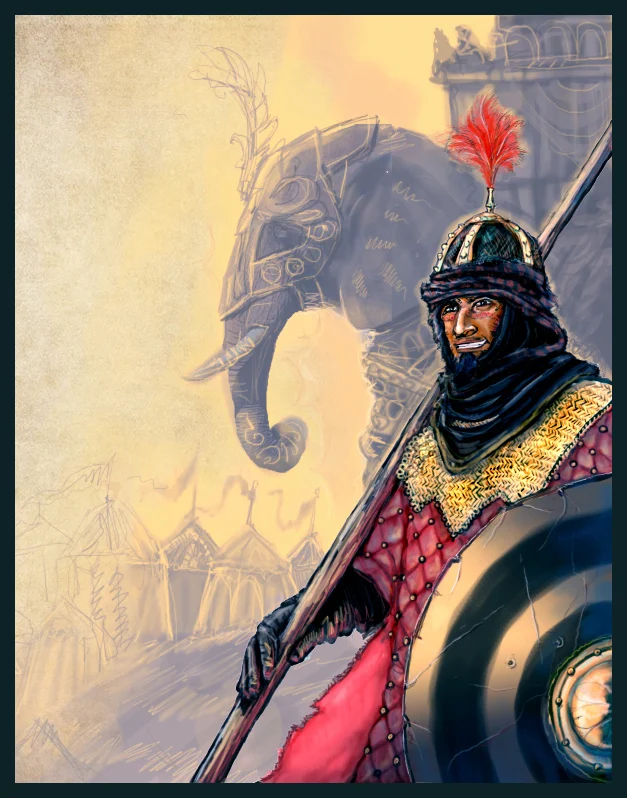
Los Hombres de Harad también eran conocidos como los Haradrim por los pueblos del noroeste de la Tierra Media. Había muchas tribus de los Haradrim, a menudo hostiles entre sí. Los hombres de Cercano Harad tenían la piel morena, el pelo negro y los ojos oscuros, mientras que los de Lejano Harad se describían como de piel negra, con ojos blancos y lenguas rojas, parecidos a «semitrolls».
Etimología
Harad significa «Sur» en Sindarin. La palabra deriva de la raíz KHYAR y es cognada del Quenya Hyarmen («sur»). También se le conoce como Haradwaith, que incluye gwaith («pueblo»). Uno de los primeros nombres de Harad fue (Sol)Harrowland, que deriva del nombre en inglés antiguo de los etíopes, Sigerhearwan, y que, por lo tanto, significa «Etiópia» (véase también: Tierra de Sigelwara). A los hombres de Harad se les llamaba Haradrim («hueste del sur»).
Otras versiones del legendarium
Los primeros nombres alternativos para Harad fueron Harwan, Sunharrowland y Harrowland. En los primeros borradores de El retorno del rey, la parte de Harad situada directamente al sur de Mordor se denominaba el Desierto de Lostladen, Lothlann o Lothland. En un primer boceto del capítulo «El último debate», la región se denominaba «desierto de Lothland», a lo que Christopher Tolkien señaló que el nombre «Lostladen» probablemente está relacionado con los nombres LothlannLoth y «Lothland» que aparecen en las Etimologías.
En la primera narración del legendarium, en El libro de los cuentos perdidos, Tolkien mencionó algunas descripciones poco claras de las tierras del Sur: Melko erigió la Gran Torre de Helkar para albergar la más meridional de las Dos Lámparas forjadas por Aulë para iluminar la Tierra Media. En el texto original, Palisor, donde despertaron los Elfos, se sitúa en el sur del mundo.
Tolkien mencionó el desplazamiento de los Hombres, tras La Guerra de Palisor, que provocó el oscurecimiento de su piel. Además, se reveló que Manwë desconocía dónde debía estar el origen de los Hombres, si al Norte, al Sur o al Este. Tras la muerte de Nuin a manos de las bandas de los Trasgos, a causa de la traición de los Hombres, muchos linajes de Hombres se vieron abocados a los bosques del sur. Lindo habló de las «tierras salvajes e inexploradas» del Sur. Las tierras del sur, donde el Sol ardía con fuerza, albergaban poderosos felinos de pelaje leonado. Las tierras del sur también tenían un cielo azul, cuyo color solo era superado por los ojos de Eärendel.
Eärendel también viajó al sur. Tras la construcción del Wingilot, Eärendel sale en busca de Elwing y es arrastrado por el viento hasta muy al sur, donde se encuentra con Wirilómë antes de escapar hacia el este. En su viaje con Voronwe a bordo del Wingilot hacia el sur, se mencionan regiones de Oscuridad y montañas de Fuego. Además, en 1930, Tolkien escribió cómo Eärendil luchó y mató a Ungoliant en el sur, lo que hizo que la luz llegara a muchos lugares que llevaban mucho tiempo ocultos.
Inspiración
En una entrevista de 1967, cuando se le preguntó qué había al sur de Harad, Tolkien respondió: «Y al sur de Harad está África, los países cálidos». Teniendo en cuenta las descripciones de los habitantes de las tierras del sur de la Tierra Media, las etimologías tempranas de su nombre y la forma general de las tierras del sur tal y como se muestra en los mapas de Ambarkanta, es probable que Harad se basara en las tierras del norte y noreste de África y, quizás, en Oriente Medio de nuestro mundo. Además, aparte de la península y el estuario de Umbar, la forma del litoral de Harad al sur de la desembocadura del río Harnen, tal y como aparece en el Mapa General de la Tierra Media, es similar a la forma del litoral de la costa noroeste de África, al sur de la ciudad de Tánger.
Referencias
1. Esta ficha se ha importado inicialmente de TolkienGateway.net el día 26/05/2026.