
Balrogs
Maiar caídos que sirvieron a Morgoth
Los Balrogs eran Maiar corrompidos por Morgoth durante la creación de Arda, que se envolvían en sombras y llamas y portaban látigos y espadas. Entre los Balrogs más famosos se encuentran Gothmog, abatido por Ecthelion, y el Daño de Durin, abatido por Gandalf.
Historia
Los balrogs, también llamados Valaraukar, eran originalmente Ainur creados por Ilúvatar, probablemente aquellos que se unieron a Melkor durante su discordia en la Música de los Ainur. Tras entrar en Eä, se convirtieron en Maiar, espíritus menores al servicio de los Valar.
Adoptaron la forma de demonios con corazones de fuego y látigos de llamas. Melkor los reunió a su alrededor tras la caída de las Dos Lámparas de los Valar y habitaban en Utumno. Cuando los destruyeron esta fortaleza, huyeron hacia el oeste y se escondieron en las profundidades de Angband, a la espera del regreso de su amo.
Cuando Morgoth y Ungoliant escaparon de Valinor muchos años después con los Silmarils, los Balrogs seguían esperando a su amo en Angband. Después de que Ungoliant amenazara a Morgoth, estos oyeron su grito. Entonces, los Balrogs salieron de su escondite y se dirigieron a Lammoth como una tempestad de fuego. Con sus látigos destruyeron las telarañas de Ungoliant y la obligaron a huir.
Los elfos se encontraron por primera vez con los balrogs durante el Dagor-Nuin-Giliath («Batalla bajo las estrellas»), cuando los exiliados noldor regresaron a la Tierra Media al final de la Primera Edad. Tras la victoria de los Noldor sobre las fuerzas de Morgoth, el señor élfico Fëanor siguió avanzando hacia Angband, pero los Balrogs se le enfrentaron. Quedó rodeado y luchó durante mucho tiempo contra ellos antes de ser herido de muerte por Gothmog, Señor de los Balrogs. Aunque los hijos de Fëanor lograron repeler a los demonios de fuego, Fëanor murió a causa de sus heridas poco después.
Durante las Guerras de Beleriand, Morgoth solo salió de Angband en una ocasión. En su lugar, envió a los Balrogs a luchar y a liderar la batalla. Dos de ellos murieron en la Caída de Gondolin: Gothmog a manos de Ecthelion I, y otro a manos de Glorfindel.
Tras la Guerra de la Cólera, algunos balrogs escaparon de la destrucción de Beleriand y se ocultaron en las profundidades subterráneas, en lugares inaccesibles en las entrañas de la Tierra. Solo un balrog reaparece tras la derrota de Morgoth: En la Tercera Edad, los enanos de Khazad-dûm liberaron sin saberlo al balrog, conocido posteriormente como el Daño de Durin, mientras extraían Mithril, y fueron expulsados de Moria por la criatura. Al encontrarse con la Comunidad del Anillo, se enfrentó a Gandalf y los dos Maiar se mataron mutuamente.
Etimología
«Balrog» significa en Sindarin «demonio del poder», y proviene de la raíz BAL («poder») + raug/rog («demonio»). El gentilicio era «Balrogath».
En la fase inicial del idioma noldorin, la palabra «balrog» derivaba de baul («tormento») + rhaug («demonio»), a su vez procedente del élfico primitivo ñgwalaraukô.
Otros nombres
La forma en Quenya es Valarauko (plural Valaraukar).
En el Quenya de *Las etimologías*, la forma era malarauko.
Una lista de equivalentes en inglés antiguo de palabras élficas explica que «Balrog» tiene como equivalentes «Bealuwearg» y «Bealubroga». Tal y como señala Christopher Tolkien, la palabra del inglés antiguo contiene los elementos bealu («mal»; como en bale(ful)) y wearg («lobo, forajido») o broga («terror»).
Otras versiones del legendarium
El Libro de los Cuentos Perdidos
En la versión más temprana del legendarium, recogida en *El libro de los cuentos perdidos*, se menciona a los Balrogs en algunos de los relatos, pero solo desempeñan un papel importante en el primero que se escribió, «La Caída de Gondolin». Aquí, algunos de los detalles se mantuvieron en versiones posteriores, mientras que otros se omitieron: «Ahora bien, se trataba de demonios con látigos de fuego y garras de acero, con los que atormentaba a aquellos Noldoli que se atrevían a oponerse a él en cualquier cosa —y los Eldar los han llamado Malkarauki—». Iban ataviados con armadura y yelmo de hierro.
Número
En un principio, se concibió que los Balrogs fueran inmensamente numerosos:
A medida que el legendarium se fue consolidando y adquiriendo mayor coherencia interna, y los Balrogs se volvieron más temibles, su número se redujo considerablemente. Al final, Tolkien afirmó que probablemente había «como mucho» siete Balrogs:
Sin embargo, cabe señalar que estos textos son posteriores a la publicación de El Señor de los Anillos, pero anteriores a los materiales en los que se basó la versión publicada de El Silmarillion. Por lo tanto, el número exacto de Balrogs es muy incierto, pero la nota de Tolkien citada anteriormente parece haber sido su última palabra al respecto.
Las Canciones de Beleriand
Un balrog llamado Lungorthin solo se menciona una vez en *La balada de los Hijos de Húrin*. Después de que Morgoth capturara a Húrin, Lungorthin le asestó un golpe en la boca.
Según Christopher Tolkien, es probable que Lungorthin no sea otro nombre para Gothmog, ya que el nombre Gothmog se mencionaba en los primeros escritos sobre la Tierra Media, así como en la versión definitiva de la mitología de Tolkien.
Representación en las adaptaciones
Los Balrogs en las adaptaciones
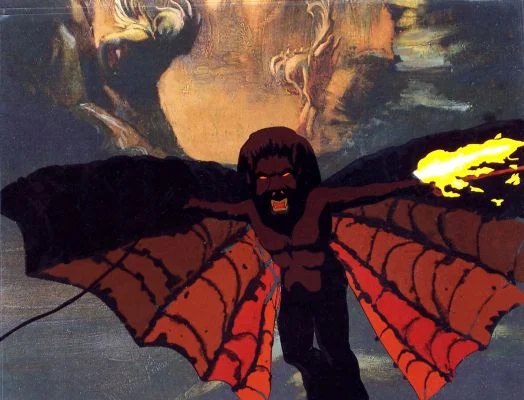
1978: El Señor de los Anillos (película de 1978):
El Balrog tiene alas y parece capaz de volar de forma limitada. La cabeza se asemeja a la de un león, pero el resto del cuerpo se representó en negro mate, una técnica que se utiliza habitualmente para crear un efecto surrealista y sombrío en la animación rotoscópica.
1984: Juego de rol de la Tierra Media:
Además de Gothmog, el Daño de Durin y Lungorthin, el juego también cuenta con el balrog Múar, de nueva creación.
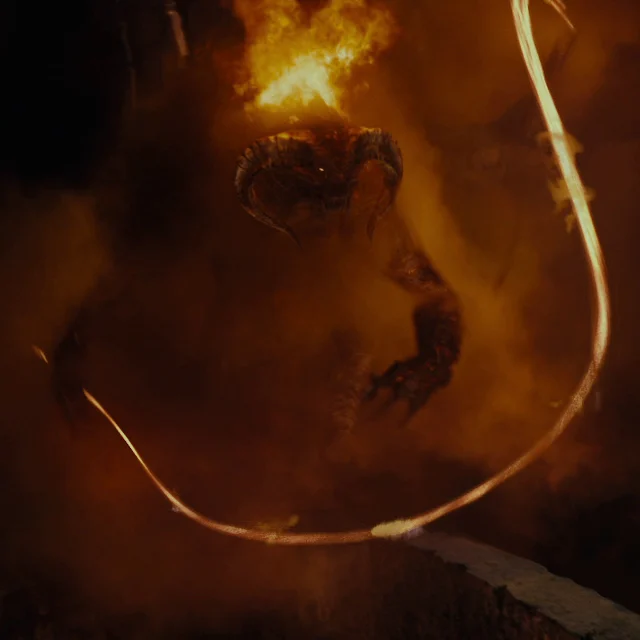
2001: El Señor de los Anillos: La Comunidad del Anillo:
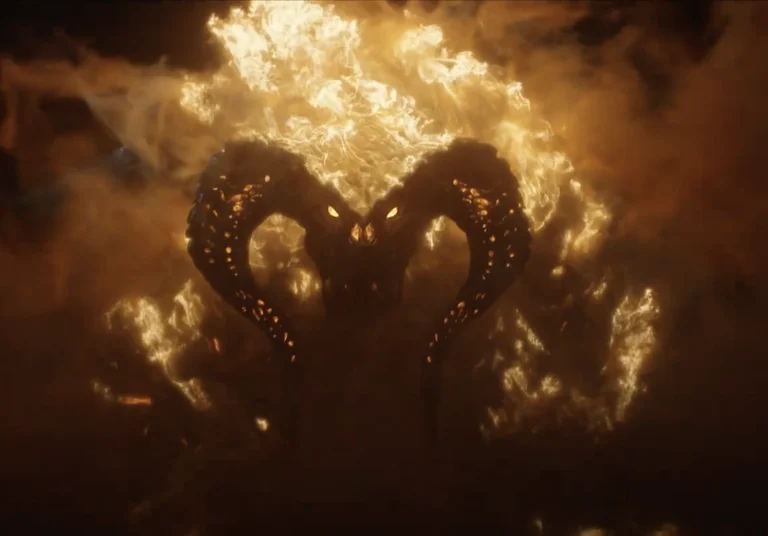
Se describe al Daño de Durin como un ser con llamas y sombras en forma de alas. A diferencia de esta descripción, el «Demonio del Poder» de Jackson tiene alas literales, una cola alargada, una cabeza con cuernos, antebrazos con garras y pies con pezuñas, todo lo cual es visible en su figura envuelta en humo. También es notablemente más grande que en representaciones anteriores, ya que supera con creces la altura de un hombre adulto.
2002: El Señor de los Anillos: La Comunidad del Anillo (videojuego):
El Balrog vuelve a tener alas. La secuencia de combate, en la que el jugador encarna a Gandalf, se alarga considerablemente: solo tras un breve enfrentamiento en el puente, Gandalf lo derrumba.
2002: El Señor de los Anillos: Las dos torres:
La persecución por la Escalera Interminable y el Balrog viscoso se omitieron debido a restricciones presupuestarias. Sin embargo, al principio de la película se muestra parte de la batalla de Gandalf contra el Balrog, y la lucha en la cima de Zirak-Zigil es visible en un flashback tras el regreso de Gandalf.
2003: «La Guerra del Anillo», de Sierra», :
El Balrog es el poder mágico más poderoso del que disponen los Siervos de Sauron. Tienen cuernos y alas.
2003: El Señor de los Anillos: La Tercera Edad:
Los jugadores ayudan a Gandalf en su lucha contra el Balrog.
2004: El Señor de los Anillos: La batalla por la Tierra Media:
El Balrog es el poder mágico más poderoso del que disponen tanto la facción de Mordor como la de Isengard, y aparece como jefe en la Campaña del Bien. Su aspecto visual sigue el de la versión cinematográfica.
2006: El Señor de los Anillos: La Batalla por la Tierra Media II:
A diferencia del juego original, el Balrog no está disponible para la facción de Isengard, sino solo para Mordor y las nuevas facciones de Trasgos.
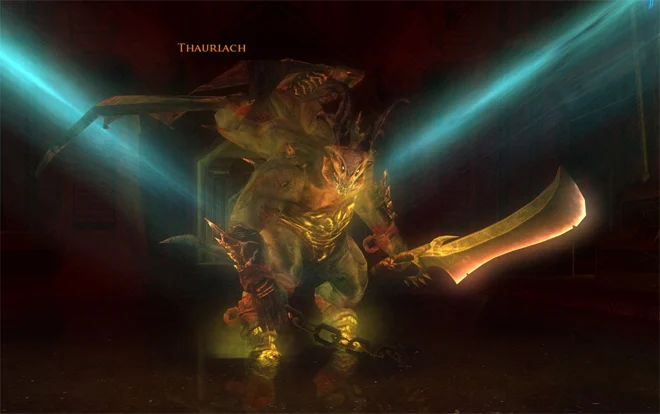
2007: El Señor de los Anillos Online:
Además del Daño de Durin, el juego también cuenta con otro Balrog: se llama Thaurlach y se le puede encontrar en la Grieta de Nûrz Ghâshu, donde Angmar se une con las Montanas Nubladas. Huyó allí tras la caída de Thangorodrim, pero fue perseguido por una doncella élfica, Glathlírel, que estaba decidida a acabar con él. El Balrog se le escapó durante milenios, hasta que ella fue capaz de enfrentarse a él en combate y derrotarlo. En lugar de matar al Balrog, los dos Magos Azules decidieron encerrarlo en la Grieta, para que pudiera esperar su juicio al fin de los días. Sin embargo, al final de la Tercera Edad, sus cadenas se estaban aflojando y se envió a un grupo de jugadores para derrotar al Balrog debilitado, algo que, como señaló Gandalf, debería haberse hecho hace mucho tiempo.
2009: El Señor de los Anillos: Conquista:
El Balrog es uno de los «héroes» disponibles para los Siervos de Sauron durante la campaña del mal. Su aspecto se basa en la versión cinematográfica.
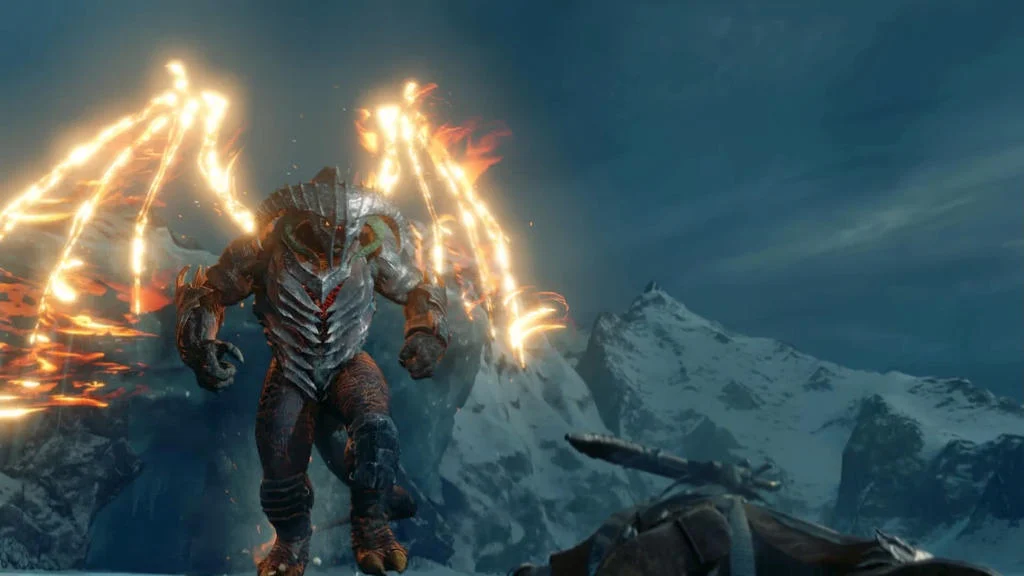
2017: La Tierra Media: Sombra de la Guerra:
El juego también cuenta con otro Balrog: se llama Tar Goroth, al que hay que matar para completar una misión secundaria concreta; tiene alas y es capaz de dar grandes saltos sin volar.
2022: El Señor de los Anillos: Los Anillos de Poder, primera temporada
Episodio 5: Despedidas:
En el oscuro mito apócrifo que el Gran Rey Gil-Galad obliga a Elrond a relatar, el Balrog que aparece en la representación visual de la historia tiene unas alas distintivas cubiertas de humo.
Episodio 7: El Ojo:
Cuando el rey Durin III arrojó una hoja anaranjada del Gran Árbol de Lindon al pozo de la mina de Mithril antes de ordenar que se sellara la mina, la hoja cayó hasta las profundidades de Khazad-dûm, bajo la veta de Mithril. Al caer, la hoja se incendia al encontrarse muy cerca del balrog que más tarde se conocería como el Daño de Durin. Al sentirse perturbado, el balrog ruge. Se desconoce si este rugido fue de ira o de enfado.
Referencias
1. Esta ficha se ha importado inicialmente de TolkienGateway.net el día 21/05/2026.